Standing on a windswept hillside just outside Bude in North Cornwall, Norton Barton Artisan Food Village is a remarkable hub of hand crafted and artisanal food production.
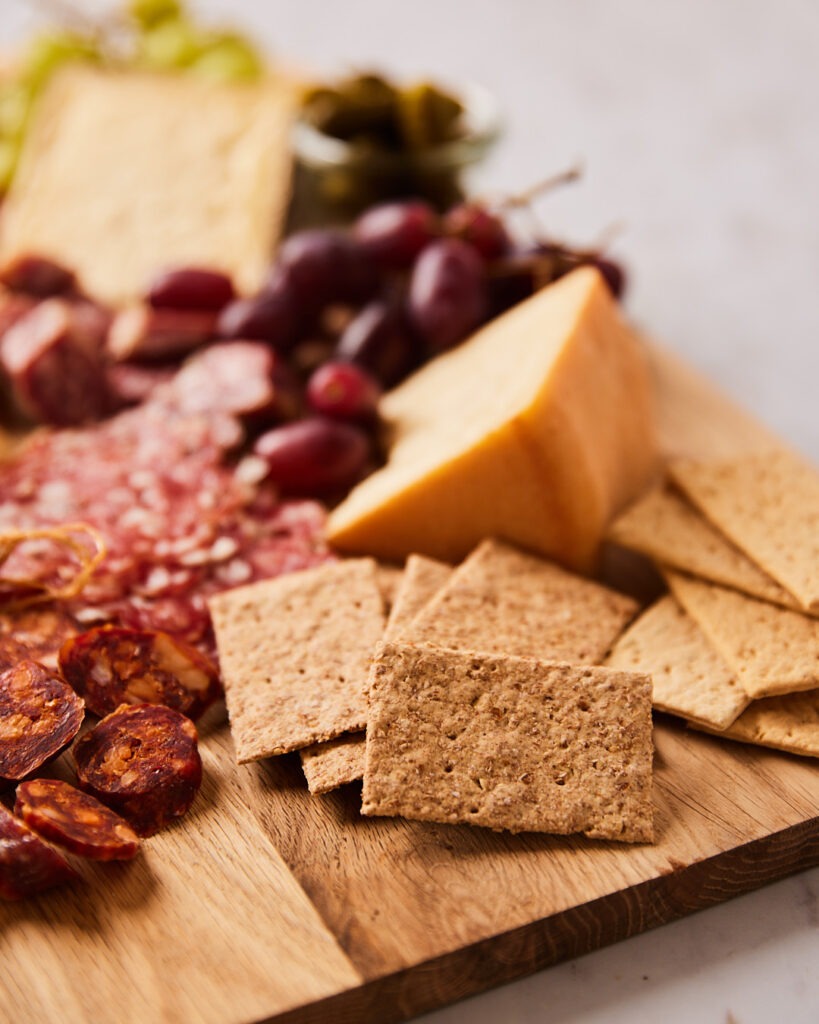
Far more than a typical farm, Norton Barton is the UK’s only ‘Artisan Food Village’; a designated Food Enterprise Zone (FEZ) that brings together producers of charcuterie, biscuits, spirits, tinned fish, and cheese, in a sustainable and collaborative ecosystem.
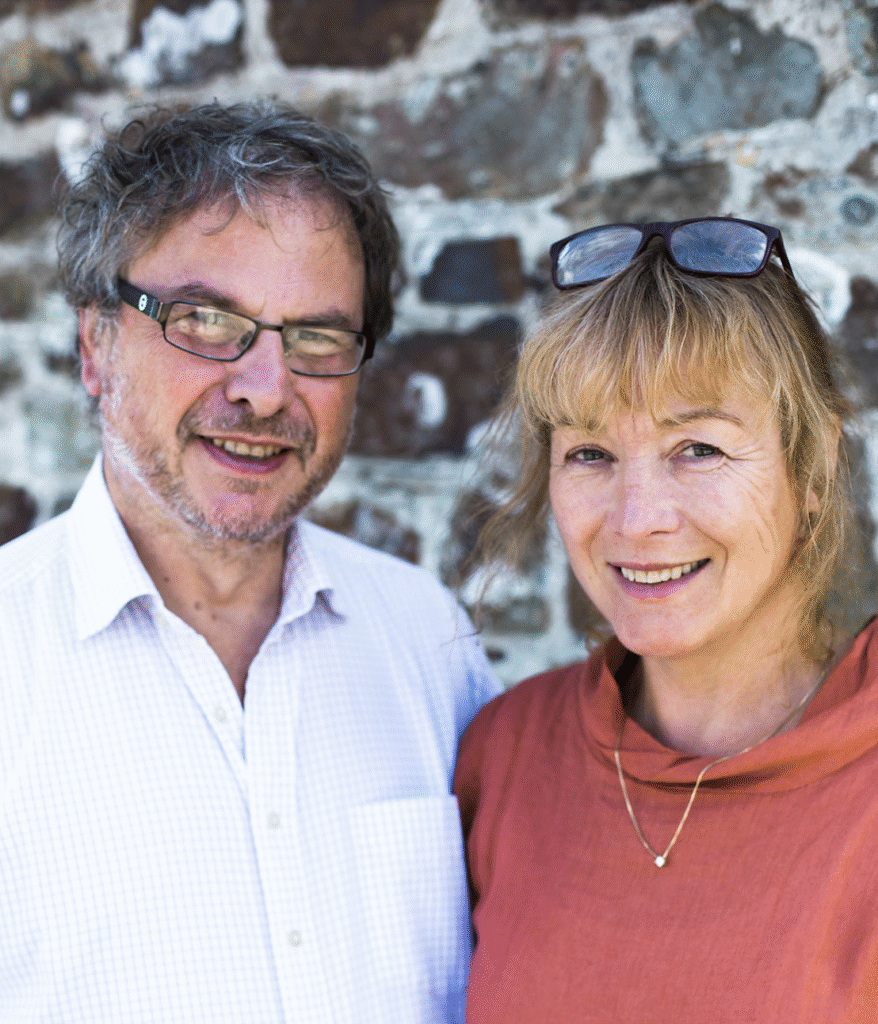
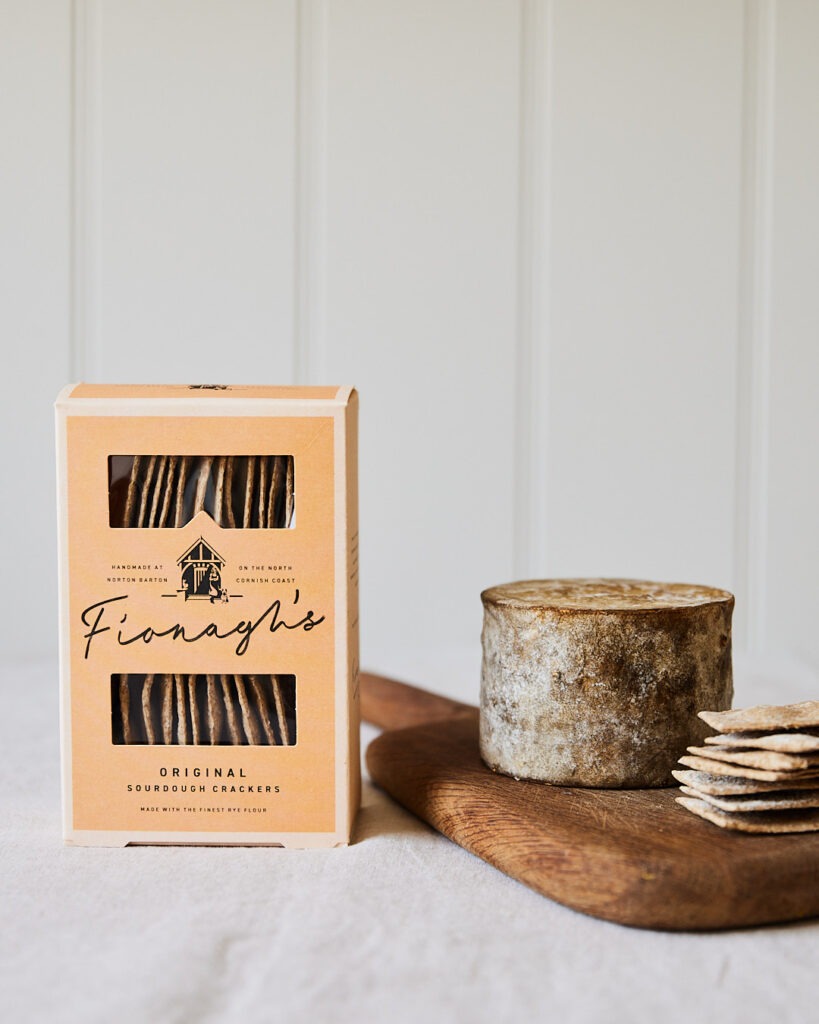
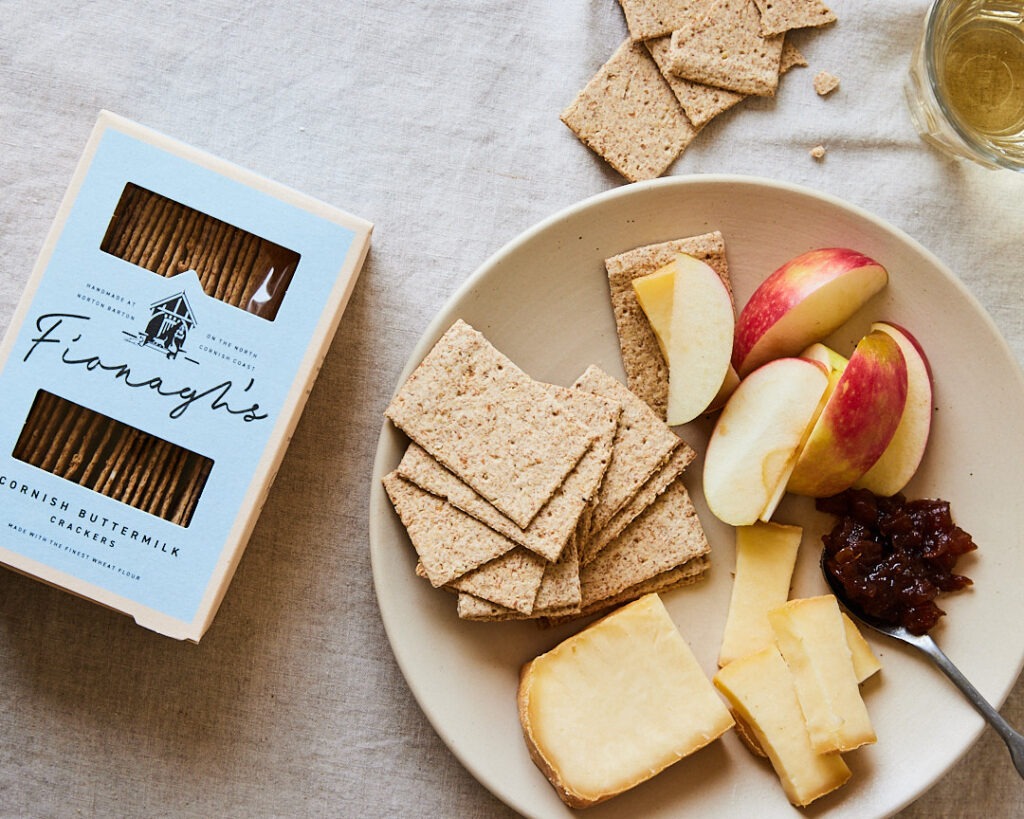
In advance of welcoming them to Padstow Christmas Fayre and to celebrate the inclusion of their Fionagh’s Sourdough Crackers, Hevva! Sardines, and Cornish Charcuterie Pork Rillette in our new Christmas Hampers, we spoke with Richard and Fionagh Harding, the founders of Norton Barton – about their journey, their values, and what seasonal cheer looks like up on the farm.
What first inspired you to create Norton Barton Artisan Food Village?
The Food Village as it is now was born out of a mixture of love and practicality. We’ve always had a love of food and then to find ourselves in Cornwall with all these amazing ingredients so readily available felt like a dream come true. It started with the charcuterie which was really came from the desire to keep our herd of Cornish Lop pigs financially viable in challenging conditions for farmers and then kind of snowballed from there. And whilst we no longer keep pigs on the farm, we’re thrilled that our head of production Rory still keeps pigs at Norton Barton.
Or – it started with charcuterie which was inspired by the fantastic Cornish food scene but stemmed from the practical desire to keep the farm financially viable.
Norton Barton is often described as the UK’s only ‘Artisan Food Village’. How would you describe the concept?
Norton Barton is a collection of small producers with a shared aim, working together to support on another in a cooperative manner in the artisan food sector. We are focused on highlighting the wonderful food and drink offering which Cornwall has to share and promoting Cornwall as a food destination. Starting with the Distillery tours at The Cornish Distilling Company, the rum distillery based at Norton Barton, the FEZ that Norton Barton is designated as gives us the freedom to expand the tourism element of our offering on the Cornish food and drink scene.
What advantages does bringing multiple food producers together on one site offer?
There are so many benefits from all working together. We have one shared distribution hub and one sales team which means that all the resourcing costs can be split between the companies but also that expertise can be shared. All the companies are able to benefit from environmental initiatives and it means that success for one is success for all. It creates a lovely work environment and fosters a strong sense of community.
What does the Christmas season look like at Norton Barton?
Christmas, as I’m sure is the case for many of the producers here, is our peak season. It’s exciting but everything is [crazy] all the way up until we stop for the holiday on Christmas Eve. Our team are fantastic, they all go the extra mile. We love to close out the season by enjoying a few festive drinks with the team before everyone enjoys a well deserved break until the new year.
A Negroni with Bude Gin and Knightor Vermouth is a fast favourite with the team, which is ideal for pre batching before the event, to give Tom, our head distiller and resident bartender, the chance to sit back and enjoy with the rest of the team. Personally though, I’m always going to go for a glass of mulled wine with a healthy slug of Mooncurser spiced rum.
Sustainability is at the heart of the food village. What practical steps have you taken to reduce environmental impact?
Sustainability is a massive passion of ours. When we first moved to the farm is 2006 we started working on reducing our environmental impact straight away. We started really small buy removing synthetic chemicals like pesticides from our agricultural endeavours and offering fields to rewilding which has had a massive impact on the local wildlife. Since then we have moved on to things like our wind turbine who is affectionately known on site as Grace and who produces more energy in a year than we use on site, not only neutralising our energy impact but also feeding into the grid. We also have a borehole for water as well as solar panels on site. We also do the small things like ensuring where possible all our packaging is recyclable and recycled. Additionally, by working as a collective we are able to cut down on on the food miles of every single product by sharing deliveries both in and out of the site thus limiting the traffic we put on the road significantly.
Are their any innovations or circular-economy ideas you’re particularly proud of?
This is one of those things where working together as a collective of companies allows us to do things we couldn’t if all the companies were functioning in isolation. It’s another way we’re trying to reduce our impact as far as possible as a site but we really try to use everything we make. So my favourite example of this is the whey from the cheese, not only are we able to use that in our biscuits but, excitingly for us, we’ve developed a vodka which will be available in small batches at the Fayre, made using the whey.
How do you see Cornwall’s artisan food scene evolving in the next few years?
Cornwall’s food scene is such and exciting organism. There are so many wonderful producers doing such exciting things in the community. I could definitely hope see the beautiful primary products available in Cornwall being used in some exciting and innovative ways by producers all over the county. And despite the challenges I’m sure we will all face as a result of the current economic climate, I’m excited to see the ways that Cornish producers can work together to promote a the brand of ‘Cornwall’ throughout the UK food scene.
How important are events like the Fayre for connecting with your customers?
Events like the Padstow Fayre are just invaluable to us. We love the opportunity to connect not only with customers in our local community but also with other artisan producers. It’s honestly the main reason we do these kind of events. Getting out in to the local community, having the opportunity to get real time feedback on our products from the people who are buying them, it’s our favourite part of the events.
Photography credit – Milly Fletcher